Print or Digital Interior Design Magazines: Which Format Works Better for Project Research?
Readers researching an interior project can choose print issues, digital editions, or mixed access. The format affects supplier retrieval, room comparison, sharing, and long-term access.
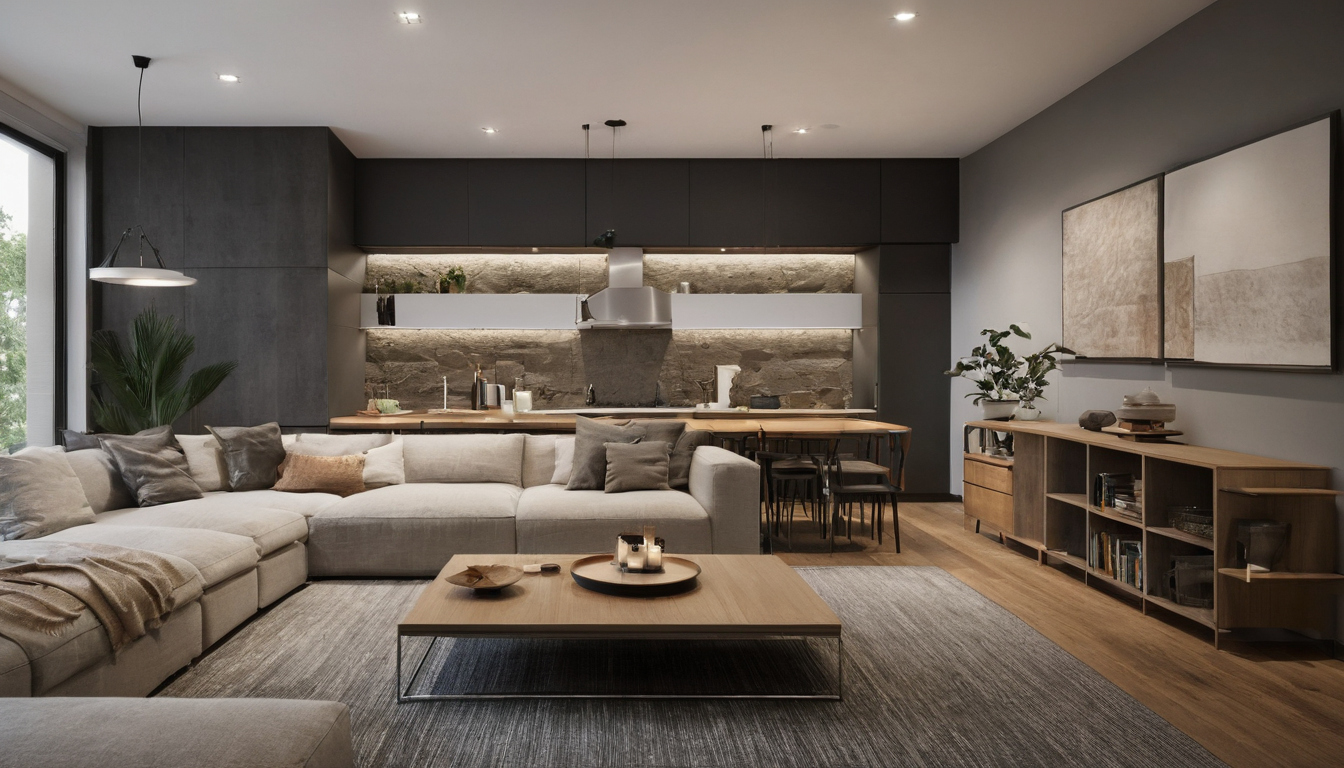
Print or Digital Interior Design Magazines: Which Format Works Better for Project Research shown with floor, wall, and fixture relationships visible.
Print, digital, and mixed interior design publications suit different research tasks
Print supports sustained visual review, digital publications improve retrieval and portability, and mixed access suits projects that need both.
Which magazine format fits each interior design research task?
| Task | Preferred access | Required feature | Main limitation |
|---|---|---|---|
| Early inspiration | Print or app replica | Clear spreads or zoom | Limited search |
| Product sourcing | Digital edition | Archive search | Incomplete credits |
| Room comparison | Mixed | Print spreads and search | Duplicate cost |
| Household review | Print or shared browser access | Permitted sharing | Login restrictions |
| Site use | Download or app | Offline access | Small-screen legibility |
| Long-term retention | Owned print or durable file | Permanent access | Storage or file management |
Verify platform conditions. A Texas Tech University Libraries guide documents device limits, expiring ebook loans, and annotations that do not transfer between readers. These rules do not govern magazine apps, but illustrate access and migration risks.
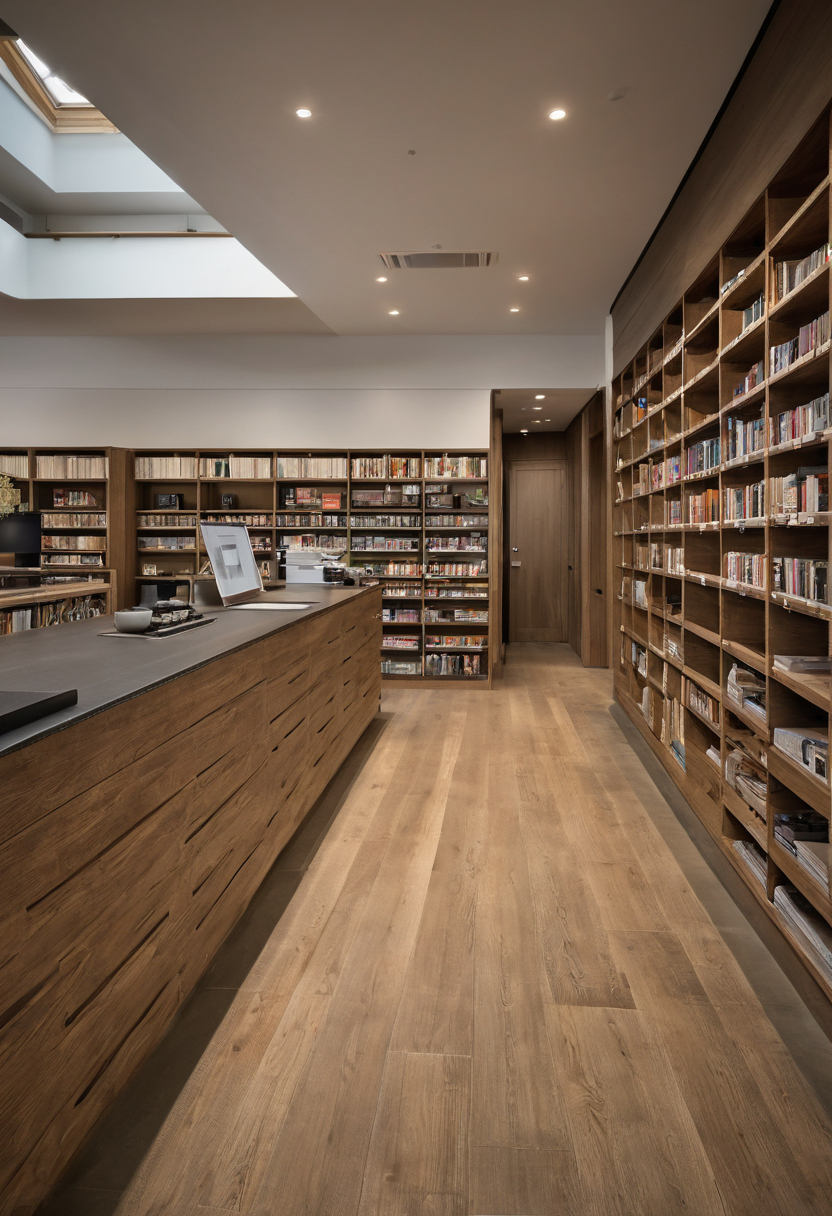
Print, digital, and mixed interior design publications suit different research tasks shown as a planning reference for layout, scale, and material decisions.
Retrieval matters when dimensions affect planning. The U.S. Department of Justice standards specify a 30-by-48-inch clear floor space and accessible dining or work surfaces 28 to 34 inches high under stated conditions.
When do print interior design magazines work better for project research?
Print works better for large photographs, uninterrupted spreads, adjacent captions, and handwritten notes when suitable lighting, storage, and indexing are available.
Print home design magazines make visual comparison easier under specific conditions
- Check whether images continue clearly across the binding and whether glare obscures details.
- Confirm that captions and product credits remain beside the relevant image.
- Use photographs to compare composition, not specify color; printing, paper, photography, and lighting can alter finishes.
Print interior design publications create storage and retrieval risks
- Assess shelf space, humidity, delivery damage, and collaborator access.
- Index references by issue, page, room, and supplier.
- Keep complete issues when removed pages would lose context.
Owned print may outlast a subscription, while digital retention depends on platform terms.
When do digital interior design magazines work better for project research?
Digital editions work better for keyword retrieval, travel, rapid switching among issues, and reduced storage, provided search, bookmarks, downloads, and zoom work on the intended device.
Searchable archives give digital interior design publications their main research advantage
Determine whether search covers one issue, the subscribed archive, or website articles only. Test product, designer, room, and location queries, then confirm that results identify the correct issue and page.
Digital bookmarks and downloads are useful only when they remain retrievable
Test bookmarks after closing the app, changing devices, going offline, and cancelling. Confirm whether downloads expire, require an active account, support search, or transfer to another platform.
Screen size and interface design determine whether digital magazine pages remain legible
Test portrait and landscape views, captions, zoom, text resizing, keyboard operation, and screen-reader output. Phones favor quick retrieval; larger screens preserve more page context.
Subscription cost, archive access, and cancellation terms can change the better-value format
Introductory price alone does not determine research value. Renewal, delivery, archive depth, and post-cancellation access can change the result.
How should readers compare print, digital, and mixed subscription costs?
- Record currency, first-term price, renewal price, tax, shipping, and date checked.
- Compare issue count, archive depth, platform requirements, renewal, refunds, and cancellation deadlines.
- Confirm whether saved or downloaded issues remain available after cancellation.
Library access can reduce cost but may limit back issues and remote use
Check eligibility, geographic restrictions, authentication, issue coverage, user limits, downloads, and back-issue retention. Ask a librarian when terms are incomplete.
Interior design publications should be audited for legibility, sourcing detail, accessibility, and research reliability
Test the same issue in print and digital rather than judging image quality alone.
How should the same print and digital magazine issue be tested?
Locate a previously seen product, identify its supplier, compare two rooms, save a page, reopen it offline, and retrieve it later. Record time, missing credits, zoom steps, device, connection, and subscription tier.
Product credits and advertisements determine whether inspiration can become usable research
Separate editorial coverage, sponsored material, shopping content, and advertising. Verify consequential claims independently. ENERGY STAR says qualified LEDs use at least 75 percent less energy and last up to 25 times longer than incandescent lighting. The EPA identifies paints, finishes, building materials, and furnishings as VOC sources and recommends ventilation when using VOC-emitting products. Its home moisture guidance advises promptly fixing condensation and damp spots.
Accessibility features must be verified by platform and device
Test enlargement, contrast, keyboard operation, screen-reader output, reduced motion, and alternatives to fixed page layouts on the intended device.
Choose the magazine format that matches the project’s research pattern
Choose print for sustained visual study, digital for repeated retrieval, and mixed access when both functions continue through a long project.
A five-question checklist identifies the appropriate interior design magazine format
- Do you frequently compare complete spreads?
- Will you search many issues repeatedly?
- Do you need offline access at the project site?
- Must collaborators share references remotely?
- Must references remain available after cancellation?
Mixed access is worthwhile only when print and digital perform separate jobs
Stop paying for mixed access when formats duplicate work, search is absent, archives are shallow, or library coverage is sufficient. Transfer selected magazine references into a home design decision hub, recording the publication, issue, page, supplier, and access status.
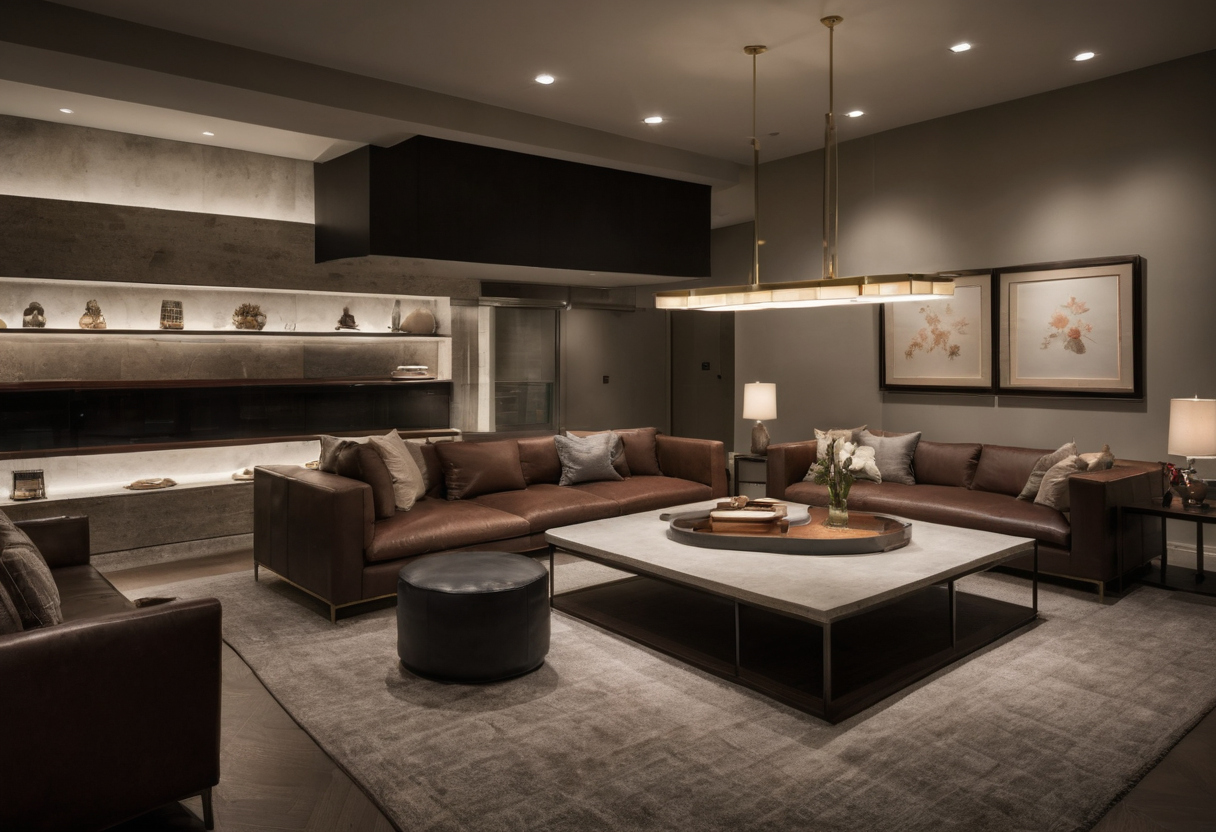
Choose the magazine format that matches the project’s research pattern shown with floor, wall, and fixture relationships visible.
Frequently asked questions
Is print or digital better for judging color and material details in an interior design magazine?
Neither should determine a final specification. Use magazine images for direction, then verify paint, textiles, stone, and finishes with current physical samples under project lighting.
Do digital interior design magazine subscriptions let readers keep downloaded issues after cancellation?
Policies vary by publisher, platform, and tier. Confirm current terms and whether downloads require an active account.
Can free digital magazines or library editions replace a paid interior design publication subscription?
They can when issue coverage, archive depth, remote access, downloads, and search meet the project’s needs.
What makes an interior design publication useful for project research rather than general inspiration?
Useful publications combine legible images with indexed credits, identifiable suppliers, clear captions, accessible navigation, and recoverable references.
When is a mixed print-and-digital interior design magazine subscription worth the extra cost?
Mixed access is worthwhile when print supports spread comparison while digital provides archive search, remote sharing, or site access. If both perform the same job, choose one.