Before You Buy From an Interior Design Magazine: Verify Product Details and Availability
An interior design magazine product credit is a lead, not a current specification
A precise-looking product credit may still leave the essential ordering question unanswered: does the pictured model, finish, price and configuration remain available today? Treat the credit as a dated sourcing lead, then verify every material fact against current manufacturer documents and a dated seller quotation.
| Evidence | What it may establish | What it cannot establish alone | Buyer action |
|---|---|---|---|
| Magazine credit | Possible manufacturer, collection, retailer, finish or location | Current model, specifications, price, stock or terms | Record the issue date, page, article URL, check date and exact wording |
| Current manufacturer document | Model number, dimensions, materials, finish codes, options and technical requirements | Seller stock, delivered cost or project suitability | Match every identifier and note the document revision |
| Seller quotation | Offered SKU, configuration, currency, price, lead time, freight and quotation expiry | Physical fit or installer approval unless stated in writing | Request a dated quotation from the manufacturer or an authorized seller |
| Buyer verification | Fit for the room, delivery route, utilities, intended use and purchasing terms | Conditions that were not checked | State the destination, application and whether the product is standard or customized |
Why can an interior design magazine credit become outdated?
Publication lead time creates a gap between photography, credit preparation, printing, distribution and reading. During that interval, a manufacturer may rename a collection, revise dimensions, withdraw a finish, discontinue a model or change the retailer serving a region. An online credit can also lag behind a corrected catalog or remain attached to an archived article.
A photographed item may be a prototype, showroom sample, customized version or product configured for another market. Two visually identical pendants might use different voltage, canopy hardware, certification or finish codes. Visual similarity does not prove that the current catalog item is the version shown.
Record the exact credit and check it against dated manufacturer and seller documents. Keep print issue dates separate from online verification dates and avoid generalizing beyond the products reviewed. This discipline also improves using print and digital interior design magazines for project research.
Does sponsored placement change how a featured product should be checked?
Sponsorship changes the disclosure question, not the product-verification standard. Paid placement, an affiliate link or a supplied product does not by itself prove that a credit is inaccurate. Buyers should identify how the publication labeled the feature, review its advertising and correction policies, and confirm the product independently.
For United States consumer context, the Federal Trade Commission provides Endorsement Guides business guidance. The FTC’s 16 CFR Part 255 addresses endorsements and includes a section titled “Disclosure of material connections.” The FTC also publishes a native-advertising guide for businesses.
Once the credit’s date and commercial context are recorded, identify the exact product rather than a similar-looking variant.
How do you identify the exact product shown in an interior design publication?
Identify the product by matching the manufacturer, collection, model or SKU, dimensions, finish code, upholstery, hardware, accessories and regional version. If the interior design magazine omits the model number, obtain written confirmation before comparing prices or ordering.
Which identifiers distinguish a model from a similar-looking variant?
- Capture the published evidence. Save the image, credit, issue date, project name, credited designer, retailer and any description of size, material or finish.
- Find the current manufacturer record. Compare the credit with the catalog page and specification sheet for the country of purchase. A retailer-created name may differ from the official model name.
- Match the complete configuration. Record the SKU, size, orientation, finish, textile, upholstery grade, hardware and accessories. For lighting and appliances, confirm voltage, plug, controls and regional configuration.
- Resolve visible differences. Ask whether the photographed item was standard production, vintage, bespoke, trade-only, a prototype or modified for the project.
Who can confirm a product when the magazine credit is incomplete?
Send the saved image and credit to the publication’s editorial or corrections contact. If the publication cannot identify the variant, ask the manufacturer’s representative or an authorized seller to confirm the configuration in writing. State the destination country, intended room, finish, orientation and installation context.

How do you identify the exact product shown in an interior design publication shown as a planning reference for layout, scale, and material decisions.
Visual matching cannot establish scale, hidden hardware, material composition, voltage or included components. Once identity is documented, determine whether the current specifications suit the project.
Which product specifications must be verified before an interior design magazine find enters a project?
Verify dimensions, clearances, materials, finishes, weight, care requirements, installation instructions and relevant certifications before approval. The decisive specification varies by category.
| Category | Critical checks |
|---|---|
| Furniture and upholstery | Finished and packaged dimensions, weight, assembly, frame and textile composition, cleaning limits and intended use |
| Rugs and wallcoverings | Actual size or roll coverage, pattern repeat, dye-lot variation, substrate preparation, moisture limits and care |
| Lighting | Voltage, lamp or integrated LED details, dimming compatibility, mounting, clearances and location rating |
| Plumbing fixtures | Rough-in dimensions, connections, mounting support, finish care and applicable approvals |
| Appliances | Cutout, door swing, ventilation, service access, utility supply and installation instructions |
| Built-in products | Field dimensions, tolerances, anchoring, substrate, utility coordination and installer responsibilities |
Will the magazine-featured product physically fit the room and delivery route?
Compare the finished dimensions with the room, then check packaged or crate dimensions against doors, corridors, stairs, elevators, turning points and ceiling height. Confirm operating clearances, ventilation space and access for servicing. A sofa that fits the floor plan can still fail at a stair landing.
Request current specification and installation documents. Involve the installer when structural support, anchoring, field assembly or utility connections are required. Ask whether the delivery quotation covers oversized, crated, assembled or room-of-choice delivery.
Are the pictured materials and finishes suitable for the intended use?
Evaluate a physical finish chip, textile cutting, strike-off or wallcovering sample under the project’s lighting. Confirm composition, natural variation, cleaning restrictions, sunlight exposure, moisture suitability and indoor, outdoor, wet-area or commercial limitations. Request relevant performance documents where the setting requires them.
The U.S. Environmental Protection Agency’s VOC guidance identifies building materials and furnishings among possible indoor sources of volatile organic compounds and recommends increased ventilation when using VOC-emitting products. After confirming physical and material fit, verify the commercial offer.
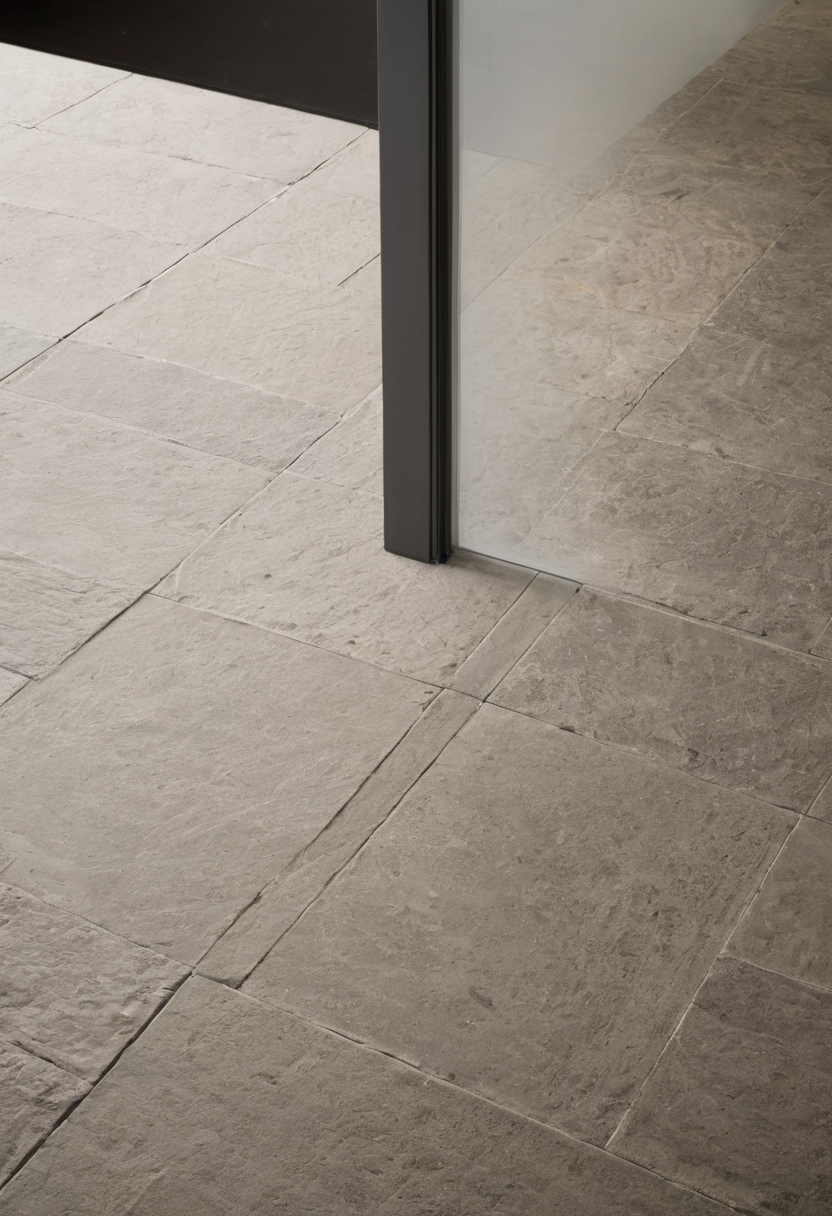
Which product specifications must be verified before an interior design magazine find enters a project shown as an editorial reference for proportion and finish coordination.
How do you verify current price, stock, lead time, and seller authorization?
Obtain a dated written quotation from the manufacturer or an authorized seller. The quotation should identify the exact configuration, currency, taxes, freight, delivery service, estimated ship date and expiry date. A price printed in an interior design magazine may omit options or reflect earlier conditions.
- Match the product: Require the exact SKU, finish, size, upholstery, hardware, accessories, electrical version and quantity.
- Define the transaction: Record the delivery postcode, currency, import status, access conditions and quotation date.
- Separate the schedule: Request production, dispatch, transit, delivery and installation estimates. Ask whether any date is guaranteed.
- Confirm authorization: Ask the manufacturer or regional distributor to confirm that the seller is authorized for the destination and product category.
- Calculate total acquisition cost: Include applicable tax, duties, brokerage, freight, storage, delivery, assembly, installation, packaging removal and potential return charges.
What does current availability actually mean for a magazine-featured product?
Current availability requires written status from the manufacturer, distributor, retailer or warehouse controlling the inventory. “In stock” should mean physical, saleable inventory matching the required region, finish and configuration, not stock expected from another supplier.
Ask whether the item is in stock, allocated, back-ordered, made to order, on preorder, discontinued, a showroom sample or a special order. For physical inventory, confirm whether the seller will reserve it, how long the hold lasts and what secures the allocation. For unavailable inventory, obtain substitution and cancellation procedures in writing.
Which costs are commonly absent from an interior design magazine price?
Editorial prices commonly exclude some combination of taxes, import costs, freight, restricted-access charges, storage, room-of-choice delivery, assembly, installation and disposal. Trade pricing may also depend on account eligibility, minimum orders or resale documentation. Imported, oversized, fragile, installed and custom products warrant a complete quotation review before payment.
Once price and availability are documented, review the terms that determine what happens if the product changes, arrives damaged or cannot be used.
Returns, substitutions, warranties, and safety checks must be completed before ordering
Review the seller’s written terms before paying, especially for custom, made-to-order, clearance, imported, upholstered, cut or installed products. Confirm cancellation rights, inspection and damage-reporting deadlines, return freight, restocking charges, warranty coverage and a requirement that substitutions need buyer approval.
When is a magazine-sourced product effectively nonreturnable?
A product may be effectively nonreturnable if it has custom dimensions, monograms, cut-to-size materials, customer-supplied upholstery, approved shop drawings or installed components. Made-to-order goods, clearance stock and floor samples may also carry restrictive terms. Retain the policy effective on the purchase date, order acknowledgment, approved samples, finish codes, dimensions and final-sale language.
Cancellation and refund rights depend on the transaction, seller location, applicable law, customization status and delivery method. Obtain jurisdiction-specific legal guidance rather than relying on a general statement about mandatory rights.
How should buyers check recalls and product safety requirements?
Search current U.S. Consumer Product Safety Commission recall records by manufacturer, exact model and category where applicable. Review manufacturer safety notices, installation warnings and certification or listing documents for the buyer’s jurisdiction.

Returns, substitutions, warranties, and safety checks must be completed before ordering shown as a planning reference for layout, scale, and material decisions.
ENERGY STAR states that qualified LED lighting uses at least 75 percent less energy and lasts up to 25 times longer than incandescent lighting. However, an ENERGY STAR LED efficiency claim does not replace checks for voltage, dimming, mounting or installation compatibility. Qualified trade input may be necessary for structural mounting, wiring, plumbing, ventilation or local code compliance.
Use a documented verification record before approving any magazine-sourced purchase
Create one dated approval record linking the magazine reference to the confirmed model, options, dimensions, samples, quotation, availability, lead time, total cost, terms, safety search and final decision. Assign one person to approve substitutions and preserve accepted and superseded documents.

Use a documented verification record before approving any magazine-sourced purchase shown as a planning reference for layout, scale, and material decisions.
Name files by product, model, document type and date. Track each item as research, awaiting sample, awaiting quote, approved, ordered, substituted, delivered, rejected or returned. Project teams can store verified product decisions in a home design decision hub.
What is the minimum pre-order checklist for an interior design magazine product?
- Confirm the exact model, finish, options and accessories.
- Verify site fit, delivery access and installation requirements.
- Approve a physical sample when color, texture or sheen matters.
- Obtain a dated total-cost quotation and availability statement.
- Accept the return, substitution, warranty and damage terms.
- Complete relevant recall and safety checks.
- Record approval by the responsible buyer or project lead.
Approve the documented product, not the magazine image.
Frequently asked questions
Can you trust the price and product details printed in an interior design magazine?
Use printed details as a sourcing reference, not a binding offer. Confirm the current model, configuration, price, availability and terms through manufacturer documents and a dated seller quotation.
Is an online interior design magazine more current than a printed issue for product availability?
Not necessarily. Online credits can be corrected faster, but archived pages may remain unchanged. Check the publication date, update date and current manufacturer records.
What should you do when a magazine does not list the product model or retailer?
Save the image and credit, contact the publication, then ask the manufacturer or an authorized seller for written identification. Do not order through visual matching alone.
How can you tell whether a featured product is sponsored or independently selected?
Look for advertising, sponsored-content, affiliate or supplied-product disclosures and review the publication’s editorial policy. Commercial involvement does not remove the need for independent product verification.
Does choosing the best interior design magazine eliminate the need to verify products before ordering?
No. Editorial quality can improve the usefulness of a sourcing lead, but it cannot confirm present stock, regional configuration, site fit, delivered cost or current purchase terms.