How to Vet a Local Cabinet Maker Before Commissioning Custom Joinery
You pay the deposit, then discover that “oak veneer” has no agreed cut, sequence, substrate, edge, or finish. A polished portfolio will not resolve that dispute. Drawings, samples, workshop controls, and installation records might prevent it.
How should homeowners shortlist cabinet makers near them?
Reject any cabinet maker who cannot confirm the legal business name, workshop address, required licence, current insurance, comparable work, and responsibility for fabrication and installation before a paid design phase or deposit.
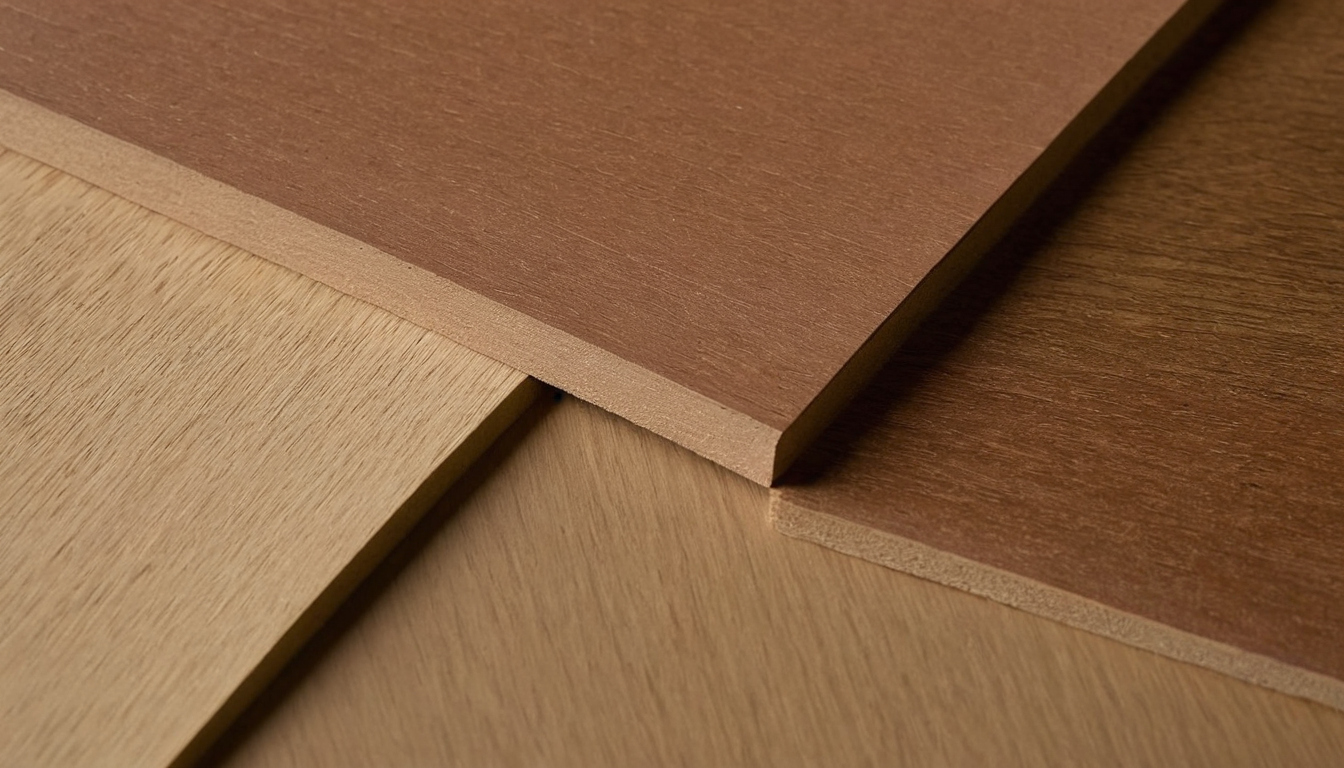
How should homeowners shortlist cabinet makers near them shown as an editorial reference for proportion and finish coordination.
- Match the quotation, contract, licence record, and insurance certificate to the same legal entity.
- Confirm which operations occur at the stated workshop, including machining, assembly, finishing, packing, and storage.
- Identify subcontracted veneer pressing, spray finishing, metalwork, stonework, delivery, and installation.
- Request two or three recent projects comparable in material, scale, finish, and site difficulty.
- Ask references about drawing accuracy, changes, site conduct, defect correction, and completion.
A polished portfolio does not prove that a cabinet maker built the work
A photograph of book-matched burl proves appearance, not responsibility. Ask who drew the joinery, pressed the veneer, built the carcasses, sprayed the finish, fitted each Blum runner, and installed the cabinets. Redacted drawings, dated progress photographs, finish schedules, and hardware schedules can connect the workshop to the work while protecting client privacy.
Local licensing and insurance checks depend on the project jurisdiction
Licensing may sit at state, city, or county level and may depend on trade classification or project value. A nationwide contractor-licensing overview describes those differences but does not establish cabinetmaking requirements in a specific location. Confirm the rules with the governing authority. Ask the insurer or broker to verify coverage for the named business, workshop operations, delivery, employees, subcontractors, and installation.
If the scope includes integrated lighting, require identified components. For applicable qualified products, ENERGY STAR states that LED lighting uses at least 75 percent less energy and lasts up to 25 times longer than incandescent lighting. Product identity still matters more than a generic promise.
What should a cabinet maker show in shop drawings before fabrication?
A competent cabinet maker should translate the brief into coordinated shop drawings and a written scope before cutting material.
Cabinet shop drawings must resolve construction, interfaces, and approval status
- Require plans, elevations, sections, dimensions, carcass construction, edge treatment, door swings, drawer clearances, hardware references, and service voids.
- Resolve interfaces with appliances, lighting, ventilation, plumbing, stone, metalwork, and wall panels.
- Look for a revision number, issue date, approval status, unresolved items, and hold points for surveys and samples.
- Name who approves each decision and which document takes precedence.
After approval, store drawings, samples, approvals, and change records in one project decision hub. Fabrication should use only the approved revision.
The written scope must identify every material and exclusion
Replace “oak veneer” with species, cut, match, sequence, substrate, backing, edge construction, internal finish, drawer box, hinge, runner, pull, lighting, and coating system. The U.S. Environmental Protection Agency identifies paints, varnishes, building materials, and furnishings as indoor sources of volatile organic compounds. Finish specifications should therefore identify the actual system rather than promise a vague “low-odor” coating.
List exclusions such as demolition, electrical work, plumbing, stone, access equipment, protection, and waste removal. In damp rooms, resolve condensation or leaks first. The EPA advises correcting wet or damp spots promptly.
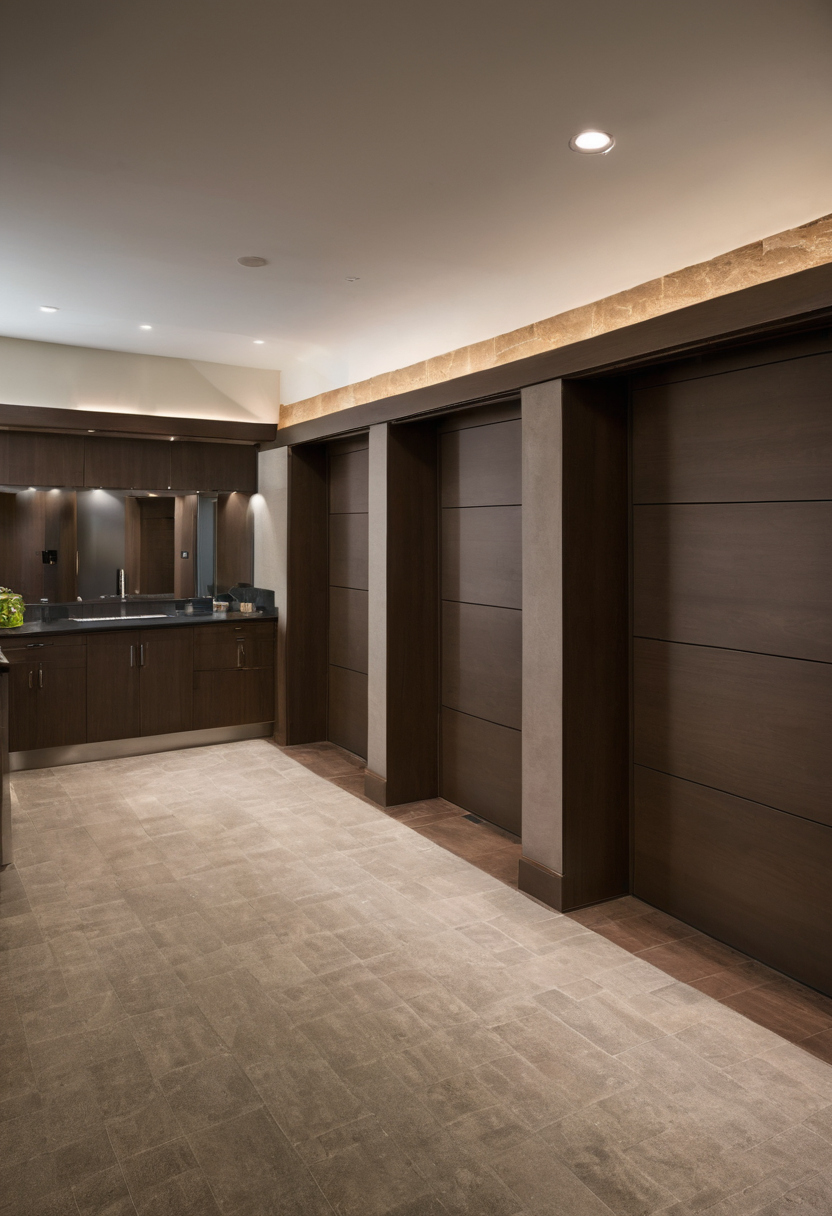
What should a cabinet maker show in shop drawings before fabrication shown with floor, wall, and fixture relationships visible.
Which cabinet samples and construction details should clients inspect?
Inspect the details most likely to disappoint: veneer matching, edges, drawer construction, hardware movement, color, sheen, and finish build.
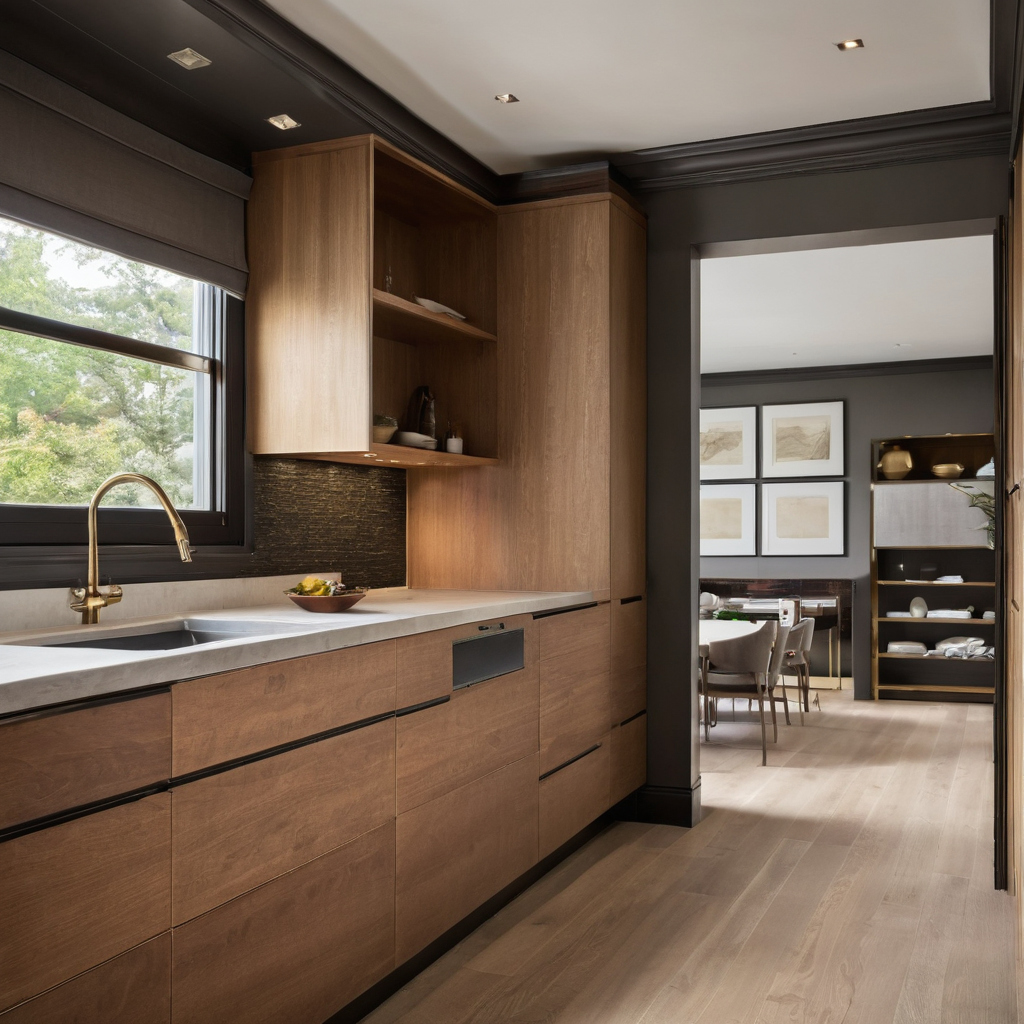
Which cabinet samples and construction details should clients inspect shown as an editorial reference for proportion and finish coordination.
Veneer samples must show the proposed cut, match, sequence, and finish
A veneer sample should state species, cut, leaf match, panel match, grain direction, substrate, stain, sheen, and permitted variation. A small sample cannot predict an entire book-matched elevation, so request a larger control panel or a marked veneer sequence for prominent doors.
A drawer sample should reveal construction and hardware quality
Inspect the drawer sides, captured bottom, finished edges, joints, movement, and adjustment. Dovetails are a sound option, not a universal quality test. Require the runner manufacturer, series, length, load class, opening type, drilling pattern, and adjustment range. Then verify exact product references and availability.
A finish sample is valid only when its coating system is identified
The coded sample should name substrate preparation, color coat, sealer, topcoat, sheen, application method, date, and approver. If cabinetry meets natural stone, agree how both surfaces will be maintained. The Natural Stone Institute recommends neutral cleaners, stone soap, or mild dishwashing detergent and warm water, while warning that abrasive powders and creams can scratch stone.
What should clients verify during a cabinet workshop visit?
A workshop visit should reveal whether the cabinet maker controls the promised process from receiving timber through dispatch.
Workshop quality control should follow the approved sample and current drawing revision
- Receiving and storage: Look for project labels and protected sheet goods, burl, solid timber, and hardware.
- Machining and assembly: Confirm that the current revision generates the cutting list. Ask how the first carcass or component is checked before a batch proceeds.
- Finishing: Match coating and sheen to the coded sample. Inspect dust control, exhaust, and the spray booth. The EPA recommends increased ventilation when products emitting volatile organic compounds are used indoors.
- Packing and dispatch: Request defect logs, correction records, hardware checks, protective packing details, and final sign-off.
Outsourced finishing or fabrication requires the same documented control
Outsourcing is not automatically a fault. The cabinet maker should identify each specialist and show how approved drawings, samples, and schedules travel with the work. Confirm who inspects returned parts, records transport damage, approves substitutions, manages replacement work, and carries the warranty.
The cabinet maker’s installation plan determines the final fit
Installation planning matters as much as bench workmanship because finished walls, floors, services, stone, and appliances establish the final fit.
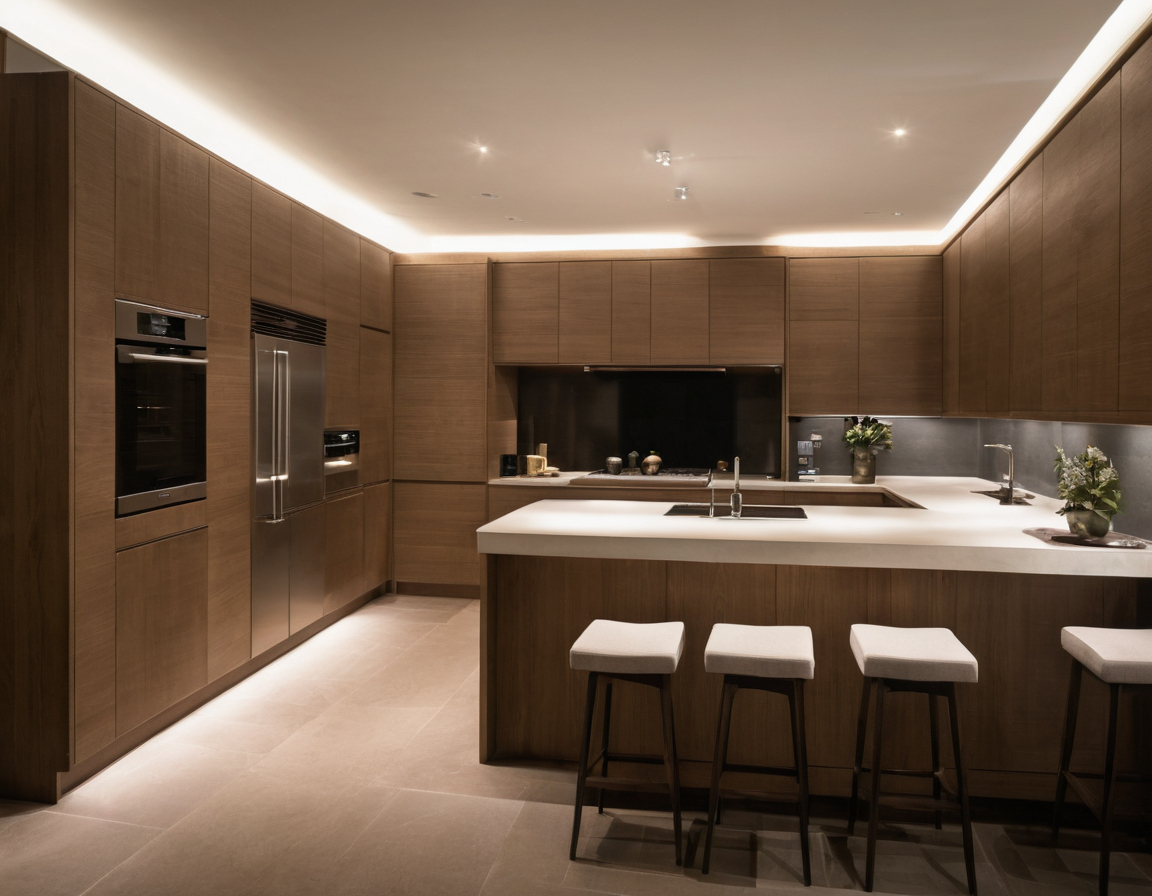
The cabinet maker’s installation plan determines the final fit shown with finish, fixture, and clearance relationships visible.
Final site measurements should occur at a defined construction milestone
The final survey should follow completion or formal acceptance of floors, wall linings, datum lines, service positions, and appliance specifications. Record dimensions, access, storage, outstanding trades, scribing allowances, and later changes. An AWI QCP overview identifies AWI 200 for care and storage, AWI 300 for materials, and ANSI/AWI 0620 for installation. Confirm the current editions and applicable clauses.
Installation records should distinguish cabinet defects from site defects
Use separate records for delivery damage and site conditions such as uneven walls, moisture, missing services, blocked access, and dimensional conflicts. The installer should then document protection, scribing, adjustments, snagging, and completion sign-off.
Compare cabinet makers on equal scope before paying a deposit
Normalize each quotation, then release money only after the scope, design duties, schedule, milestones, change control, warranties, and remedies are written down.
A cabinet quotation is comparable only after omissions are priced
- Align drawings, veneer grade, substrate, hardware, finishing, delivery, installation, taxes, protection, exclusions, lead time, and warranty.
- Replace vague allowances with identified products or realistic budgets.
- Score execution evidence and scope clarity above the lowest headline price.
Deposit requests require a written scope and verifiable milestone
Tie staged payments to visible progress, such as approved drawings, ordered custom material, completed carcasses, approved finishing, delivery, and snag completion. Check local rules for deposits, cancellation rights, disclosures, liens, and dispute procedures. Reject payments to unrelated people, unexplained cash-only demands, or undocumented changes.
Choose the cabinet maker who can document execution from drawing approval to final sign-off.
Frequently asked questions
Should cabinet makers near me provide shop drawings before I pay a deposit or design fee?
A maker may reasonably charge for design work before producing complete shop drawings. The proposal should state what the fee buys, who owns the drawings, when fabrication approval occurs, and whether the fee is credited to the order.
How can I verify a cabinet maker when my jurisdiction does not require a specific cabinetry licence?
Verify the legal entity, workshop, insurance, references, comparable projects, subcontractors, contract terms, and any broader registration required for installation or home-improvement work.
Which physical sample best reveals the quality of custom cabinets near me?
A working corner sample is especially useful because it can combine the face material, edge, carcass, drawer box, runner, hinge, joint, and finish in one inspectable piece.